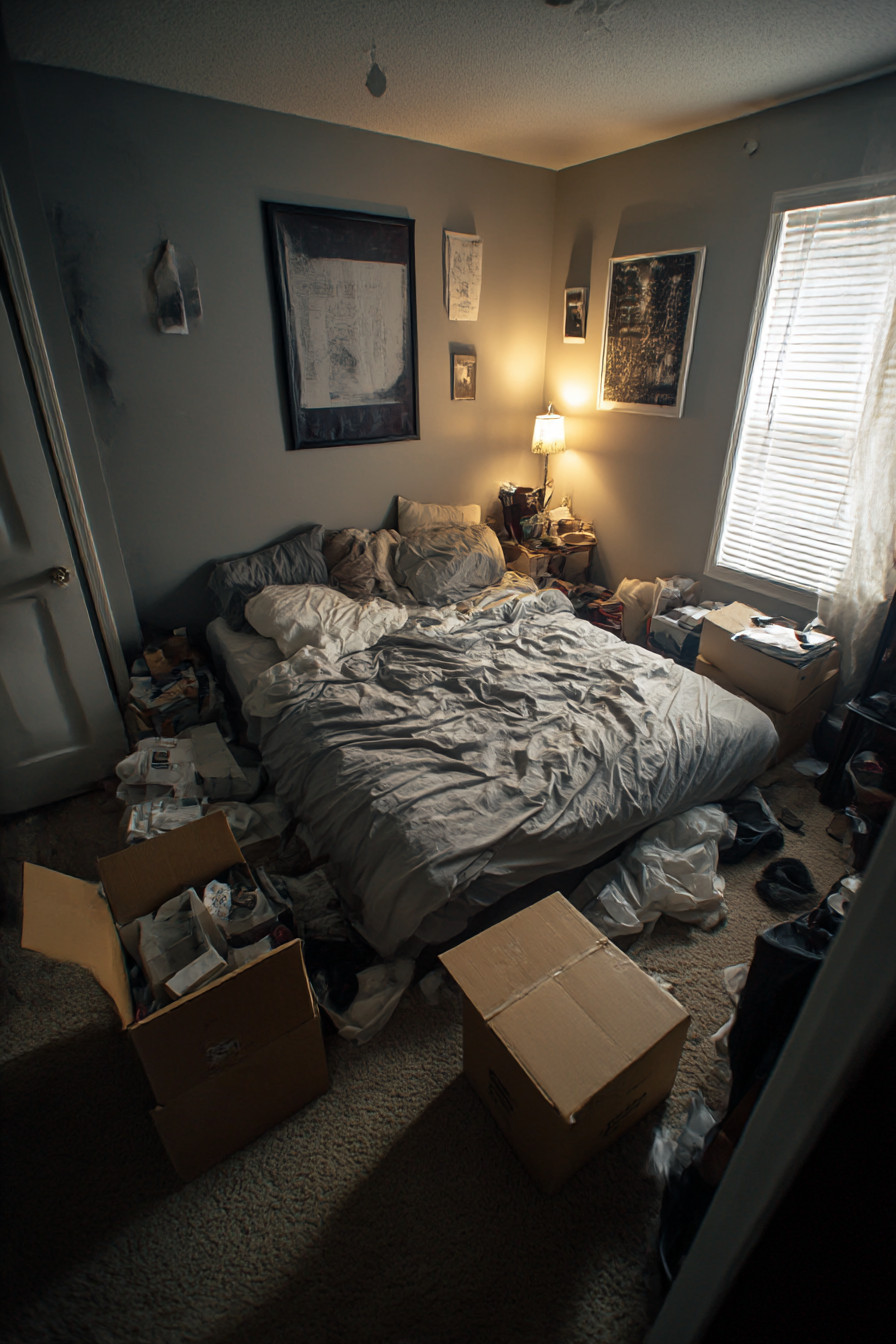
When I moved into an apartment with a double bedroom that measured barely more than a large closet, I quickly realized that the decision-making process of choosing new furniture was akin to solving a puzzle in which many of the pieces did not fit. I learned this lesson the hard way, as the apartment had been marketed as a cozy double bedroom but had become a furniture Tetris puzzle once I moved in.
One of the challenges of small bedrooms is that they force you to think about things you never previously considered regarding your personal space. For years I had envisioned creating a formal reading area — you know, the type of reading area that people post pictures of on Instagram that include a nice chair, good lighting, and perhaps a small table to hold a cup of tea. However, once my bedroom had shrunk to roughly the size of most people’s walk-in closets, such dreams seemed absurd.
For months I used to prop pillows against the headboard and call that my reading nook. Spoiler alert: Reading in bed when you are already tired guarantees a nap. I’d finish reading for maybe 3 pages before I began to fall asleep, and then I would awaken at 2am with my book sprawled across my chest, and a stiff neck that stayed that way for days.
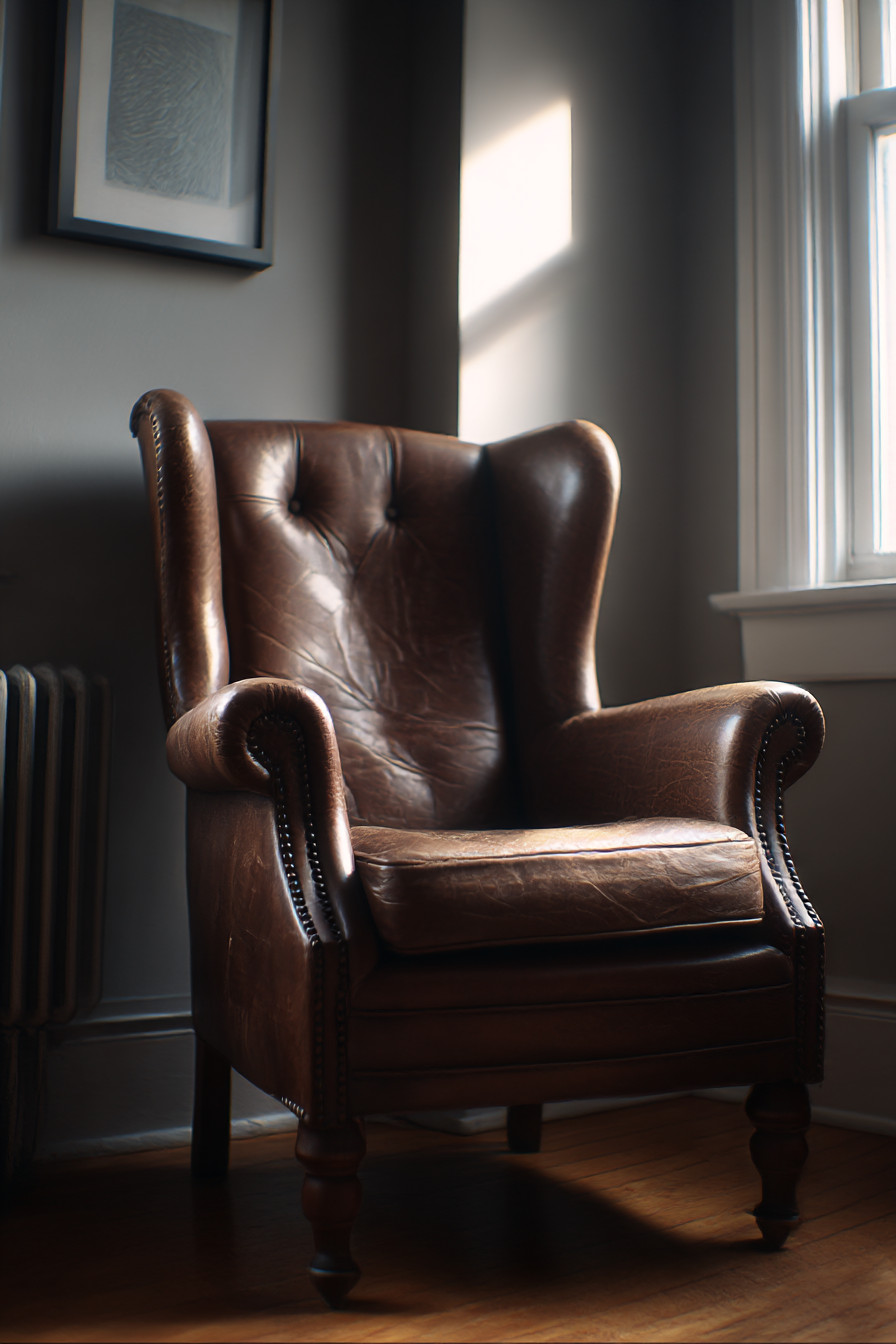
My big break came while I was wandering through a furniture store on one of my weekend afternoons. I hadn’t been shopping for a chair — I was searching for a skinny bedside table that wouldn’t block the door (which I still have yet to find). While browsing the showroom, I spotted this compact armchair in the corner that looked as if it might be a viable option.
What caught my eye was that it was trying to be nothing more than a basic armchair. The Habitat Skandi armchair (the one that ultimately went home with me) measures only 68cm wide and 70cm deep. Comparatively speaking, standard-sized chairs measure anywhere from 80-90cm wide. Therefore, I can see why this felt like discovering the holy grail of furniture options for small spaces.

While not a technically complex design feature, the seat height of the chair is 42cm, which is a significant factor in terms of overall comfort. If the seat is too low, you will sink into the cushions and cannot see your book. Conversely, if the seat is too high, you will be sitting with your feet dangling, similar to a child.
At present, I am not aware of a single other armchair that fits perfectly within these parameters. I will admit, however, that the purchase decision was also influenced by aesthetics. The armchair is available in this wonderful sage green fabric that reminds me of eucalyptus leaves. It is a far cry from the bright, loud green color that says “Look at Me!”, but rather a soothing and mellow green that provides a sense of calmness, yet is visually interesting enough to create a sense of intentionality with regard to the room as opposed to simply a collection of items.
Once I received the chair and placed it in my bedroom (approximately 3 x 3.5m), the true challenge became apparent. My bedroom has a very awkward layout. The bed occupies approximately half of one wall. The narrow wardrobe is stuffed into the corner. The window is located oddly, and therefore the majority of furniture placements result in either blocking the natural light or obstructing the radiator.
However, the compact nature of the chair helped to alleviate these issues. I managed to place it in the corner opposite the bed, adjacent to the window, but not directly in front of it. The narrow arms of the chair allowed me to continue accessing the radiator controls without requiring the acrobatic feats I typically employ. Additionally, the chair’s vertical back did not overpower the dimensions of the room like a larger, more cumbersome recliner would have.
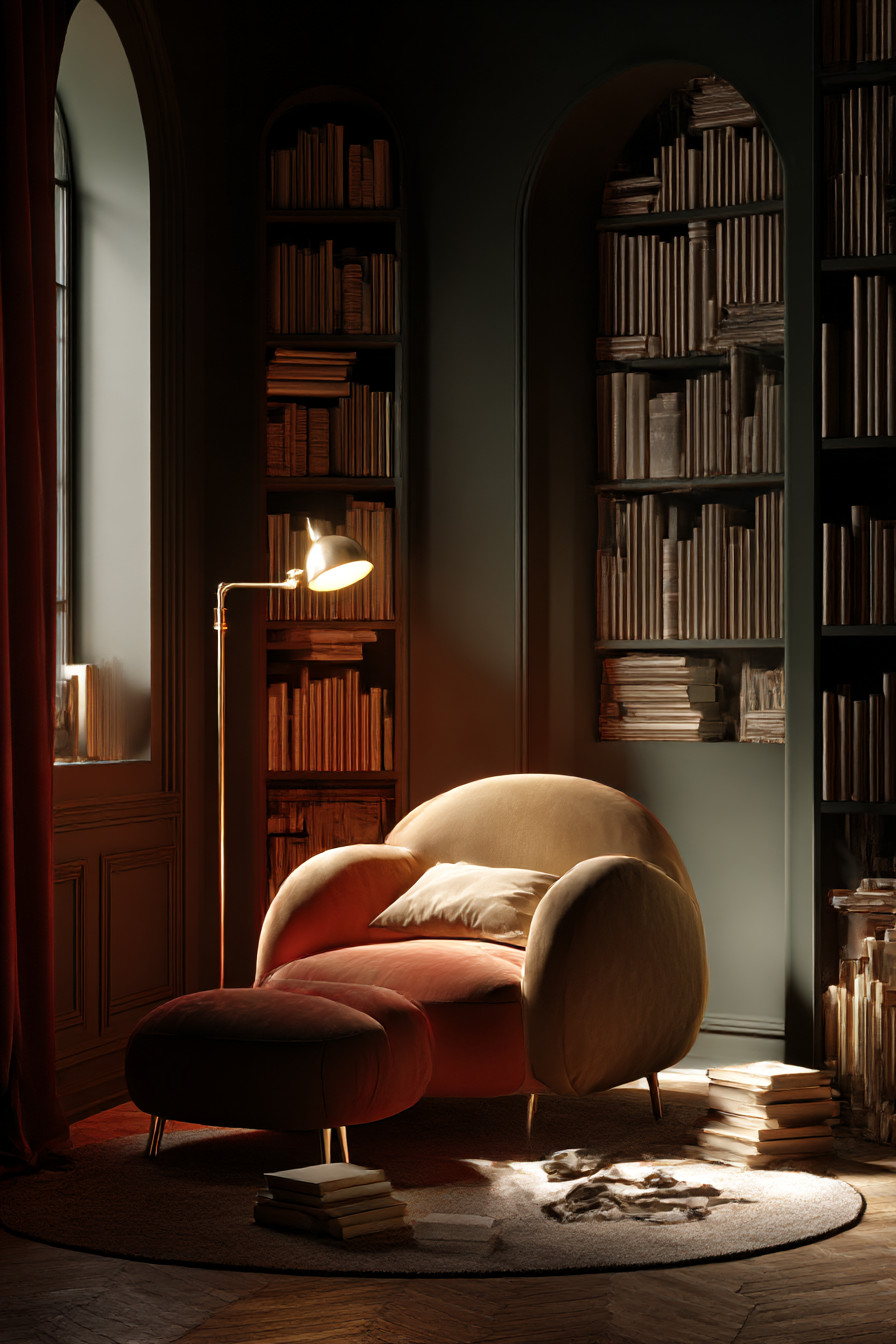
Completing the actual reading environment required a bit more effort. The ceiling fixture provided an unflattering and harsh light. In fact, it made me appear as if I was under interrogation versus settling in to read. I purchased a small brass reading lamp that clamps to the windowsill behind the chair. It cost me £35 from a local lighting supplier and is, in my opinion, one of the best investments I’ve ever made. As the arm of the lamp is adjustable, I can direct the light exactly where I need it without creating shadows across the page.
I completed the final touches with a few small items. I employed IKEA’s FROSTA stool, however I placed it sideways. It now serves as the perfect height and width to hold my current read, a cup of tea and/or whatever miscellaneous items I tend to collect throughout the evening. I draped a soft throw blanket across the top of one of the armrests. This created a warmer and more inviting atmosphere, especially during the colder months when the room appears to be a bit sterile.

The most surprising aspect was how significantly this tiny reading area altered my overall evening routine. Rather than scrolling mindlessly on my phone in bed or watching something non-productive on my laptop, I started to migrate toward the chair around 8pm. There is something about having a designated area for reading that creates an element of intentionality. Reading becomes more of a legitimate activity as opposed to simply a way to pass time.
In terms of price, the chair cost £280. While that was expensive for something I was unsure would even fit, when I calculate the cost per usage over the last year, it equates to approximately 50p per evening. That is less expensive than most forms of entertainment and is dramatically better for my sleep quality than the previous routine of reading in bed with all the lights on.
It isn’t the most comfortable chair for marathon reading sessions. After two hours of continuous reading, I start to feel discomfort in my lower back. However, for the average hour of reading in the evenings, it is perfect. The firm cushioning enables me to stay focused and attentive to whatever I am reading as opposed to falling asleep in the middle of a chapter.
The greatest advantage of the chair is that, when friends come to visit, that corner of the room does not seem to be dead space. The reading area feels purposeful and intentional, as though I put some serious consideration into how to configure the room as opposed to merely shoving in whatever furniture would fit. At times, the smallest adjustments can produce the largest effects to the overall ambiance of a space.