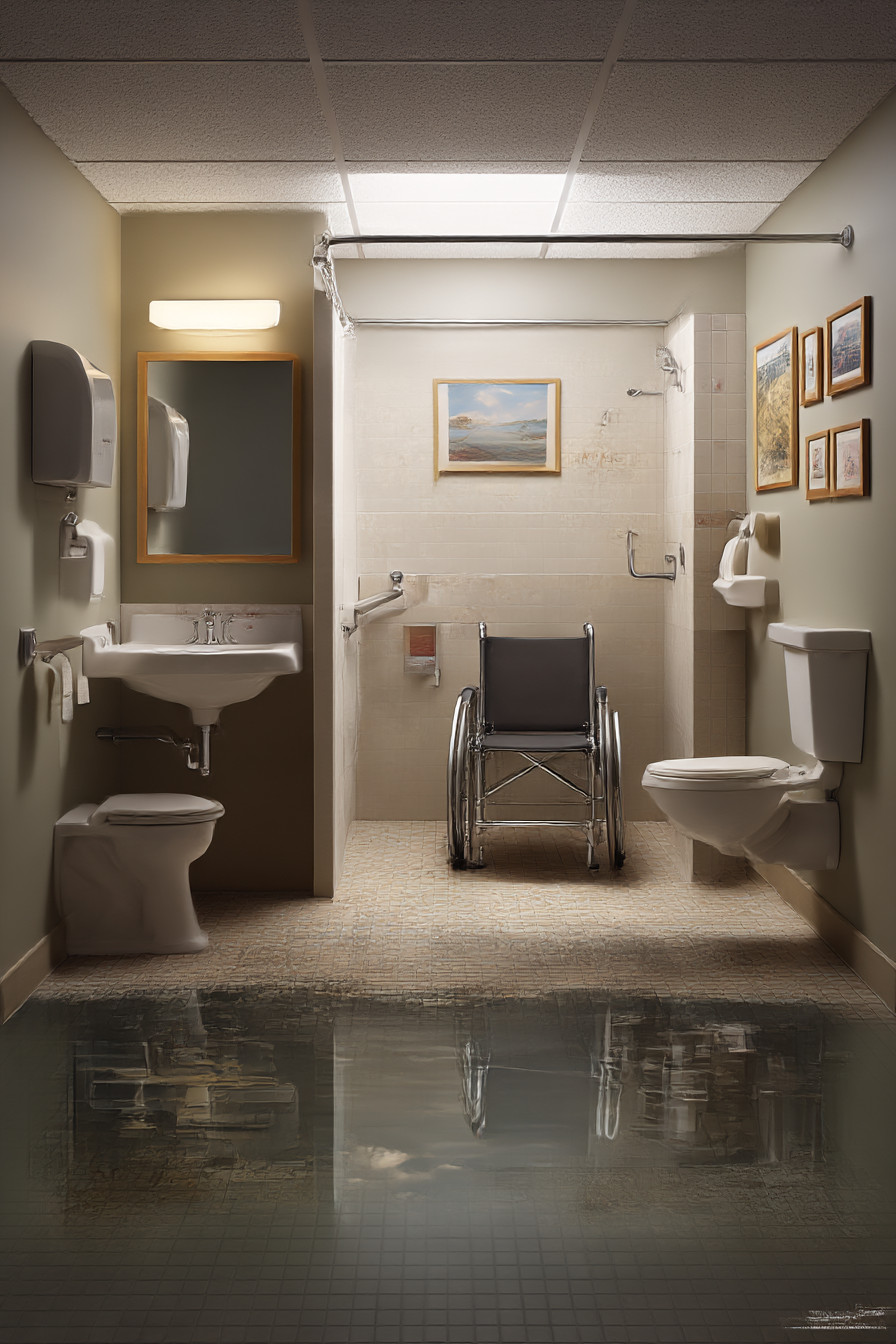
There is something fundamentally dissatisfying about staring at a dingy white fiberglass tub each morning. I am sure you understand the type of tub I am describing – builder-grade rectangular shapes that resemble a hospital tub and not a relaxing retreat in the comfort of your own home.
I spent three years with one of those soul-draining tubs until I finally cracked. It happened on a Tuesday night after I had envisioned myself soaking in a luxurious bath with expensive bath salts (the type of salt that is pricier by the ounce than my morning coffee) when I slipped into a “glorified laundry tub” that sounded like a metronome. The sides of the tub were too straight to recline into and the acoustic design did not allow for a soothing water flow. Additionally, the tub made my already tiny bathroom appear smaller still – like a white void that sucked the personality out of the room.
That is when I began researching bathtub renovations and, to be honest, it has become one of my favorite renovation rabbit holes. The reason for this is that I have learned that you do not always have to replace your existing tub to create a beautiful space. While there are times when you will have to tear out your old tub to create something amazing, often the magic happens when you are creating a visually appealing space that surrounds your tub.
Let me begin with my neighbor Sarah who took the exact same builder tub as mine and created a stunning tile surround that created the appearance of a customized installation. The surround was completed with subway tiles in a soft sage green (a far cry from the stark white that most people choose) with darker grout that conceals soap scum. The total cost for materials was approximately $800 and Sarah worked on the surround over two very dirty weekends; however, the end result appears as if it belongs in a boutique hotel.
To create a tile surround effectively, it is critical to achieve the correct proportions. Sarah extended the tile surround to the ceiling which creates the feeling of an intended design element rather than a “afterthought.” Additionally, she created a built-in niche to store items such as bottles and candles. When you have a beautiful tile surround, nothing ruins the spa experience like plastic shampoo containers littering your otherwise beautiful tile surround.

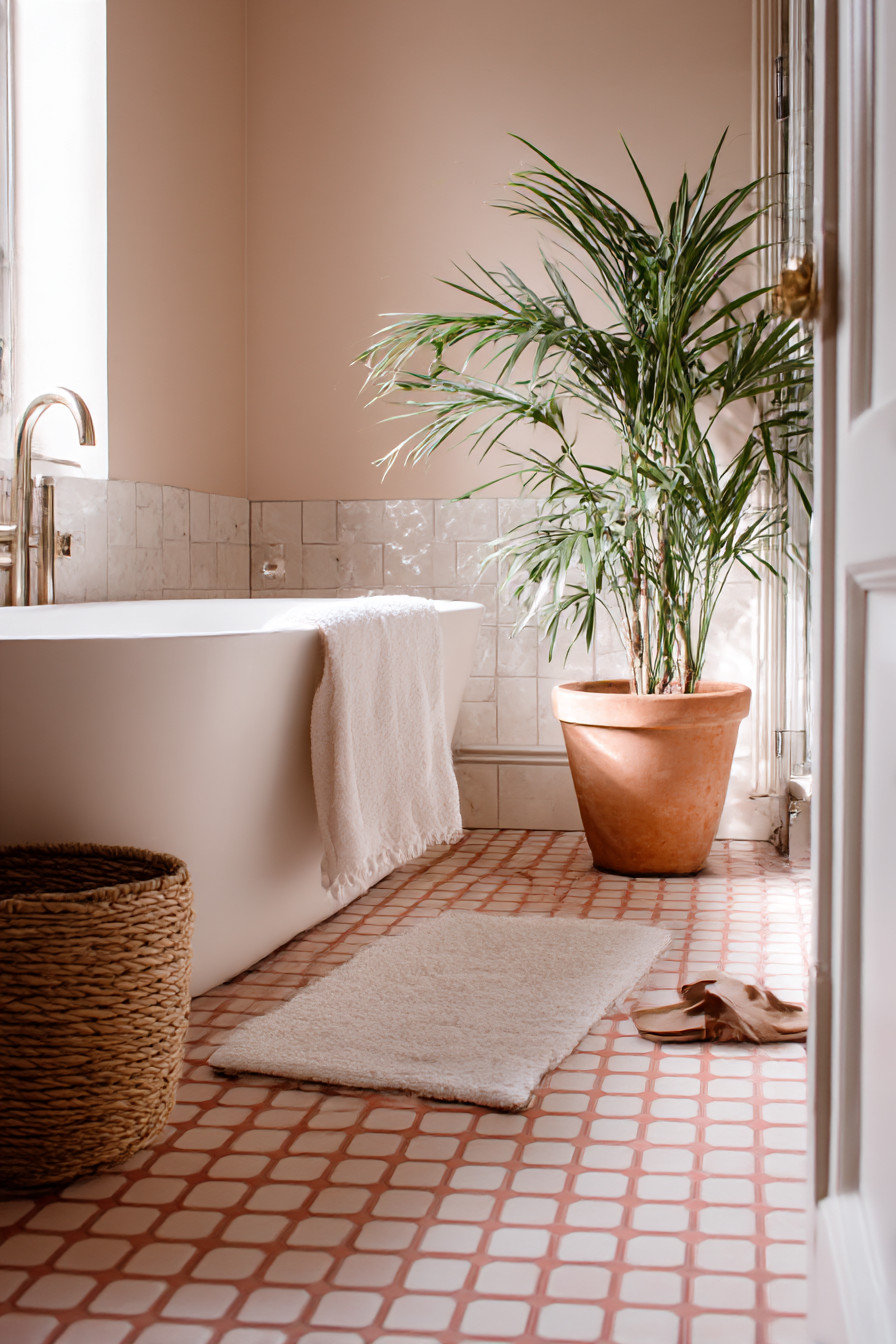
However, I chose to go in a complete opposite direction – I decided to eliminate the built-in concept altogether and opted for a freestanding tub. Yes, I know what you’re thinking – “It sounds like a huge undertaking and it was,” but after months of research and way too many trips to the showroom, I found this cast iron beauty that had been refinished in a warm cream color. I selected a refinished cast iron tub as opposed to a brand new tub in a bright white finish. Bright whites show every water mark, whereas a warm cream color adds a level of warmth and coziness to your bathroom as opposed to a cold, clinical feel.
Installing the tub was… an adventure. My contractor (who I thank him daily) had to re-route the plumbing which involved opening up walls and finding out that the previous homeowners had performed some less-than-desirable electrical work in the walls. What I thought would be a simple weekend project evolved into a two-week period of construction dust and delivery dinners. The final cost? Approximately $3200, including the tub, plumbing, and refinishing the floors afterward.
Was it worth it? Every single penny. The aesthetic difference is dramatic – my bathroom now features a focal point that truly deserves to be noticed. More importantly, it has changed how I utilize the space. The deeper walls and sloping back of the tub provide significantly more comfort while allowing for longer soaks. Furthermore, the ability to walk around the entire tub gives the impression of a larger space despite occupying more floor space.
What I wish someone would have informed me prior to commencing this process was to carefully consider your plumbing setup before falling in love with a particular tub. Freestanding tubs require either floor-mounted or wall-mounted faucets, and if your plumbing is not in the correct location, you are facing additional costs. I ultimately installed a floor-mounted faucet with a sculptural design that appeared to be works of art. However, installing this fixture necessitated running new water lines through my basement.
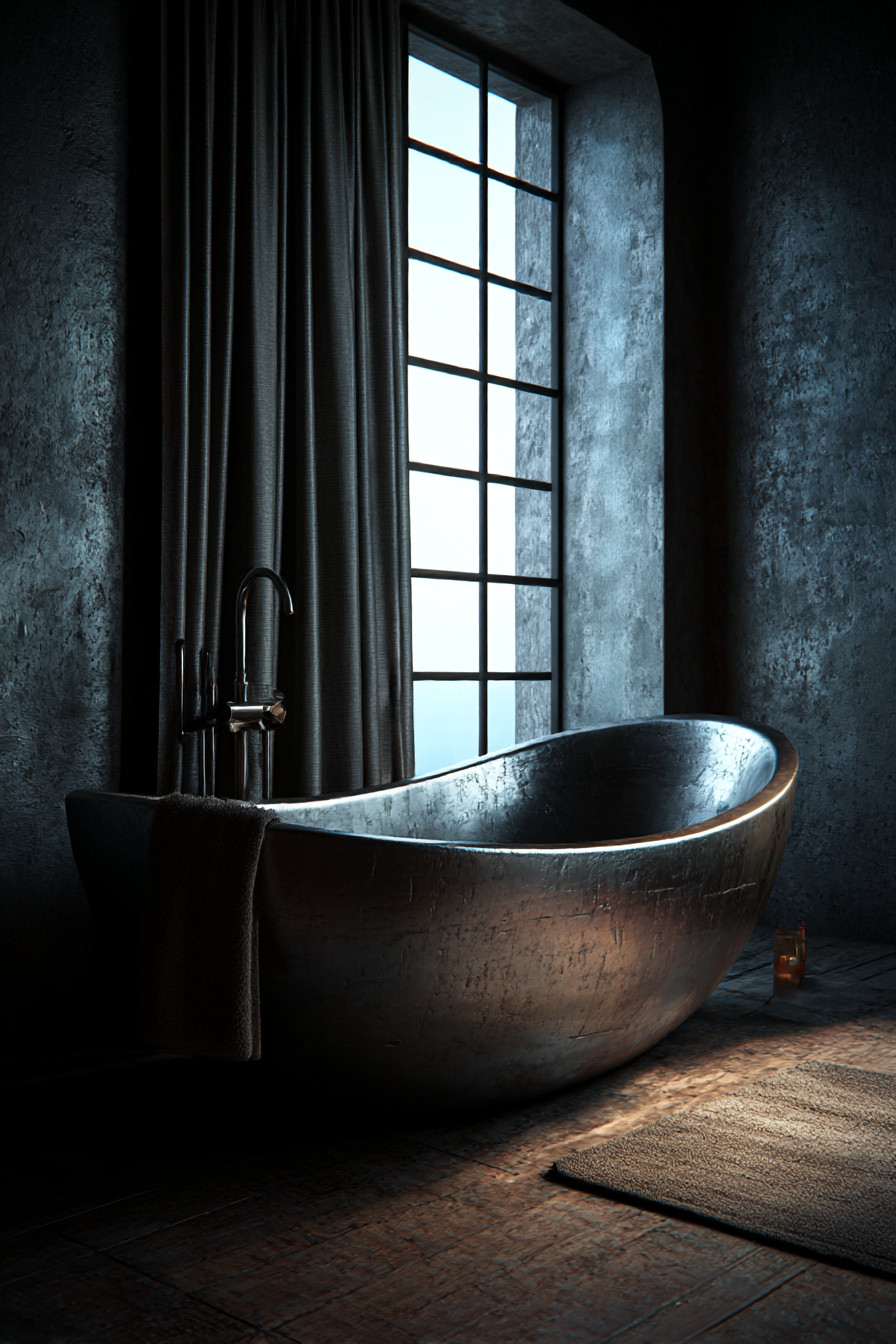
With regards to fixtures, I have recently become enamored with matte black finishes. I previously believed that matte black finishes would exhibit constant water marks, but the quality of matte finishes has greatly improved. My floor-mounted filler has a stunning industrial appearance that provides a nice contrast to the cream-colored tub and the warm wood vanity. Additionally, there is something pleasing to the touch regarding the matte surface of the faucet when adjusting the temperature.
Lighting has also been a game-changer. I installed dimmer-controlled recessed lights directly above the tub area as direct overhead lighting can be the worst possible choice for relaxation. However, the true magic occurs with the small battery-operated LED strips that I embedded underneath the tub’s edge. These LED strips emit a soft upward illumination that enhances the ambiance of evening baths and provides a sense of floating in warm light.
Initially, I misjudged storage. During my enthusiasm for the sleekness of a freestanding tub, I failed to remember that you will require a place to store your book, wine glass, and phone (yes, I bring my phone into the bath, no judgment). I eventually added a small floating shelf on the adjacent wall and a vintage brass caddy that spans the length of the tub. Unfortunately, both were afterthoughts and could have been incorporated into the plan earlier.

If budget is an issue (and let’s face it, it generally is), there are some creative ways to meet the middle ground. My friend Mike retained his existing alcove tub but updated the surrounding elements. He added wood paneling on the front and sides of the tub, installed a rain shower head with a handheld attachment, and constructed built-in storage cubbies. The entire renovation cost less than $1500 and his bathroom transitioned from generic to custom-looking.
Another creative, budget-friendly way to alter the character of your space is paint. I have observed plain white tubs receive the specialized bathtub paint treatment in various deep, rich colors. Navy blue, forest green, charcoal gray. It may seem high-risk, but when executed correctly with proper preparation and paint application, it can dramatically alter the personality of your space.
In summary, your bathtub should inspire you to relax. If you discover that you are taking short showers due to an uninviting tub environment, that is a problem worth addressing. Regardless of whether it involves a complete renovation, upgrading your existing tub surround, or creative styling techniques, investing in a beautiful bathroom space will pay dividends every day.
As for me, there is nothing like sinking into a bathtub that is deliberately designed to promote relaxation, as opposed to mere hygiene.