Standing in what was, quite literally, a glorified corridor masquerading as a bathroom at 6:30 am; towel wrapped around me; searching for my cleanser while my partner is brushing his teeth, 2 feet away from me – that’s when I realized our master en-suite seriously needed fixing.
We’d been colliding in the mornings for months. And to be honest, it was getting ridiculous.
What’s the purpose of a bathroom attached to your bedroom if it doesn’t improve your quality of life?!
Our former set-up was this narrow, cramped afterthought. Previous homeowners had forced a toilet, a sink, and a shower into what felt like a repurposed closet. There was a door directly into the bed (lovely, when someone needs a middle of the night bathroom run) and there was not one shred of storage. My skincare routine lived in a basket on the ground.
First off I was going to tackle the issue of privacy – because let’s face it, some things should never be experienced as a shared activity, regardless of how long you’ve been together. So I installed a pocket door between the main bathroom area and the toilet. Total game changer. Cost me approximately £280 (including the hardware), and yes, it was fiddly to install (I probably cursed at the studwork far too many times), but now we can both utilize the space at our own leisure without being worried about the timing.

To create the layout, I stole an idea from hotel bathrooms — separate zones. Not because I wanted it to resemble a hotel (I just wanted to take advantage of the fact that hotels actually plan their traffic flow). I created three individual zones: a vanity area with good light for getting ready, a shower area that doesn’t spew water all over the rest of the bathroom, and that new private toilet area. The key was realizing we didn’t need everything bunched together simply because it’s in one room.
The vanity was a battle. I bought this humongous double sink unit thinking that more space = better mornings. Dead wrong. We both always used the same sink (the one with better light) and the extra counter space just accumulated clutter. I swapped to a single 36-inch vanity with drawers that organize things — separate containers for my vast array of serums and his much less extensive routine. The drawer dividers were £15 from IKEA and honestly do more to ensure efficient mornings than the fancy quartz countertop could.
Lighting almost broke me. You know how some bathrooms have those Hollywood-style lights above the mirror? They’re gorgeous in photographs, but they create unwanted shadows. I learned this the hard way after installing them and then spending two weeks wondering why my makeup looked different every day. The fix was layers: those LED strips behind the mirror for overall illumination and the pendant lights on either side. Those pendants were actually repurposed kitchen lights — sometimes the bathroom section does not have what you need, but the kitchen section does.
Storage became an obsession for me. I placed medicine cabinets behind both sides of the mirror (prescriptions on the left, everyday products on the right); I placed floating shelves inside the shower to hold bottles that actually remain in their spot; and — this was genius — I converted the space under the stairs into a linen closet accessible from the bathroom. This conversion required drilling through the wall, which seemed scary, but wasn’t actually that difficult. Towels are now just two steps from the shower and are no longer in the hallway cupboard.
The shower deserved its own attention since our old one was basically a sad trickle in a fiberglass box. I built a walk-in shower — no door, just a glass panel to contain the water. The biggest challenge was making sure the floor slope was correct so water really drains down to the drain and doesn’t pool by your feet. I hired a tiler for this part because I’d already learned my lesson about waterproofing the hard way in our guest bath (ask me sometime).
When I say I focused on things that provide a “luxury” feel that people rave about, I’m talking about things that affect your daily life vs. things that look pretty. Heated floors? Yes, because cold tile at 6 am is awful. A towel warmer? Yes, for the same reason. A rain shower head? Only if you don’t care about weak water pressure and longer showers. I retained our original showerhead, but I got a model with multiple settings — sometimes you want gentle rain and sometimes you want pressure to wake you up properly.
The color scheme sort of happened by accident. I had originally intended on using white and gray (safe, classic, etc.), but then I found those green-blue stone tiles on clearance and the whole room felt calm. Sometimes the best design choices are the ones you didn’t plan on. The grout, however? Took me a lot of research. I learned that epoxy grout costs more upfront, but doesn’t stain and will not require re-sealing. Totally worth every penny when you’re dealing with daily shower steam.

One mistake I would caution against: don’t skimp on ventilation. I originally thought opening the window would be sufficient. Ha. By week three, we had condensation problems that made the mirror unusable and started affecting the bedroom. I purchased a proper exhaust fan with a timer switch — it runs for 30 minutes after showers and has eliminated the humidity problem entirely.
The final element was re-thinking the relationship of our bedroom to the bathroom. Instead of that jarring direct line of sight from bed to bathroom, I placed a frosted glass panel that allows light in but provides a degree of visual separation. It’s not a solid door — we can still talk while we get ready — but it creates a sense of separate spaces.
The total cost came to approximately £4,500, including my mistakes and do-overs. The pocket door installation took a weekend, the tiling took three days, and I lived with construction dust for about a month. But now our mornings are actually functional. We’re not running into each other, everything has a home, and the space feels thoughtful and not like an afterthought.
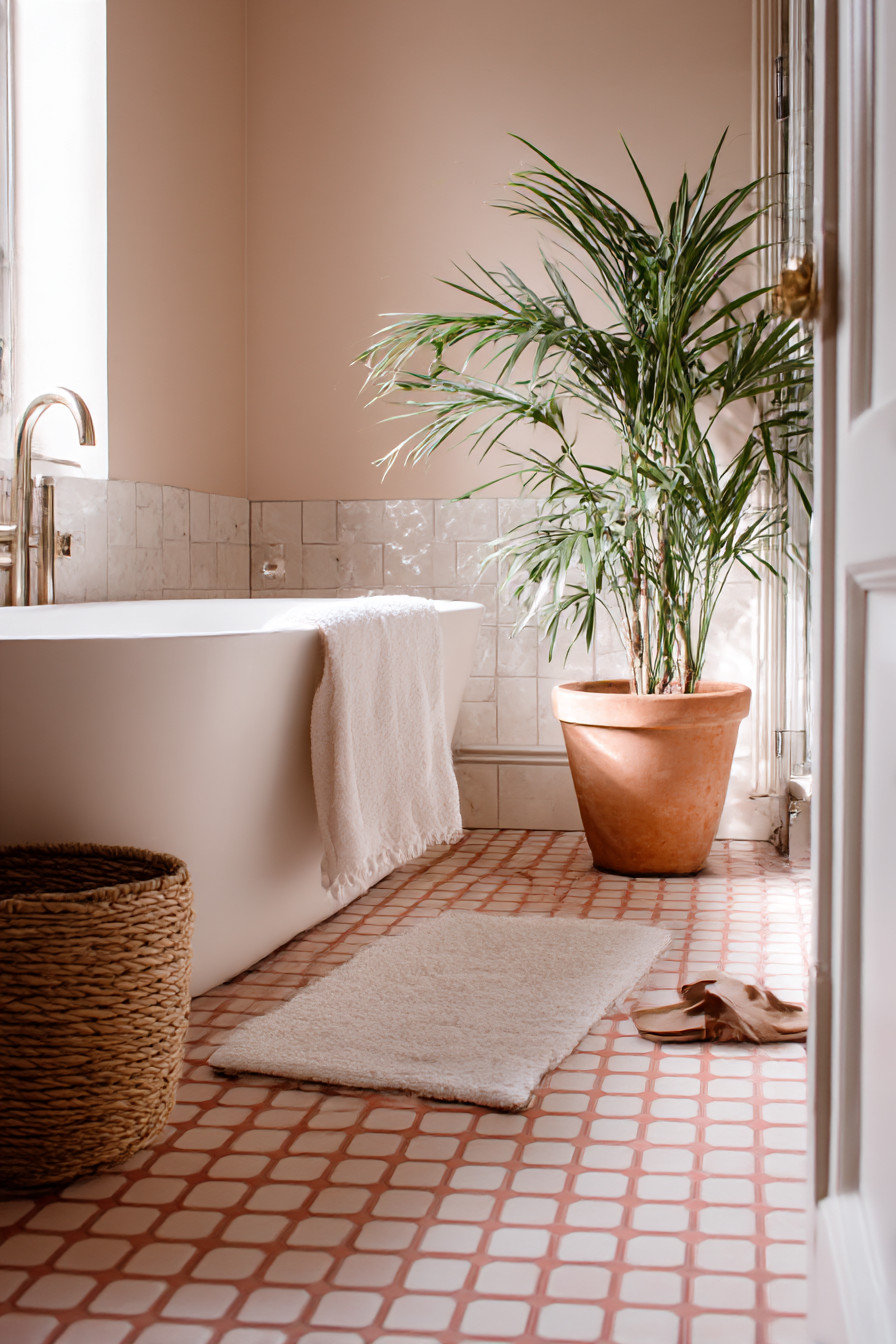
The best part? Evenings baths have become an actual possibility again and not a cramped and unpleasant experience. Sometimes the most practical upgrades can be the most luxurious.