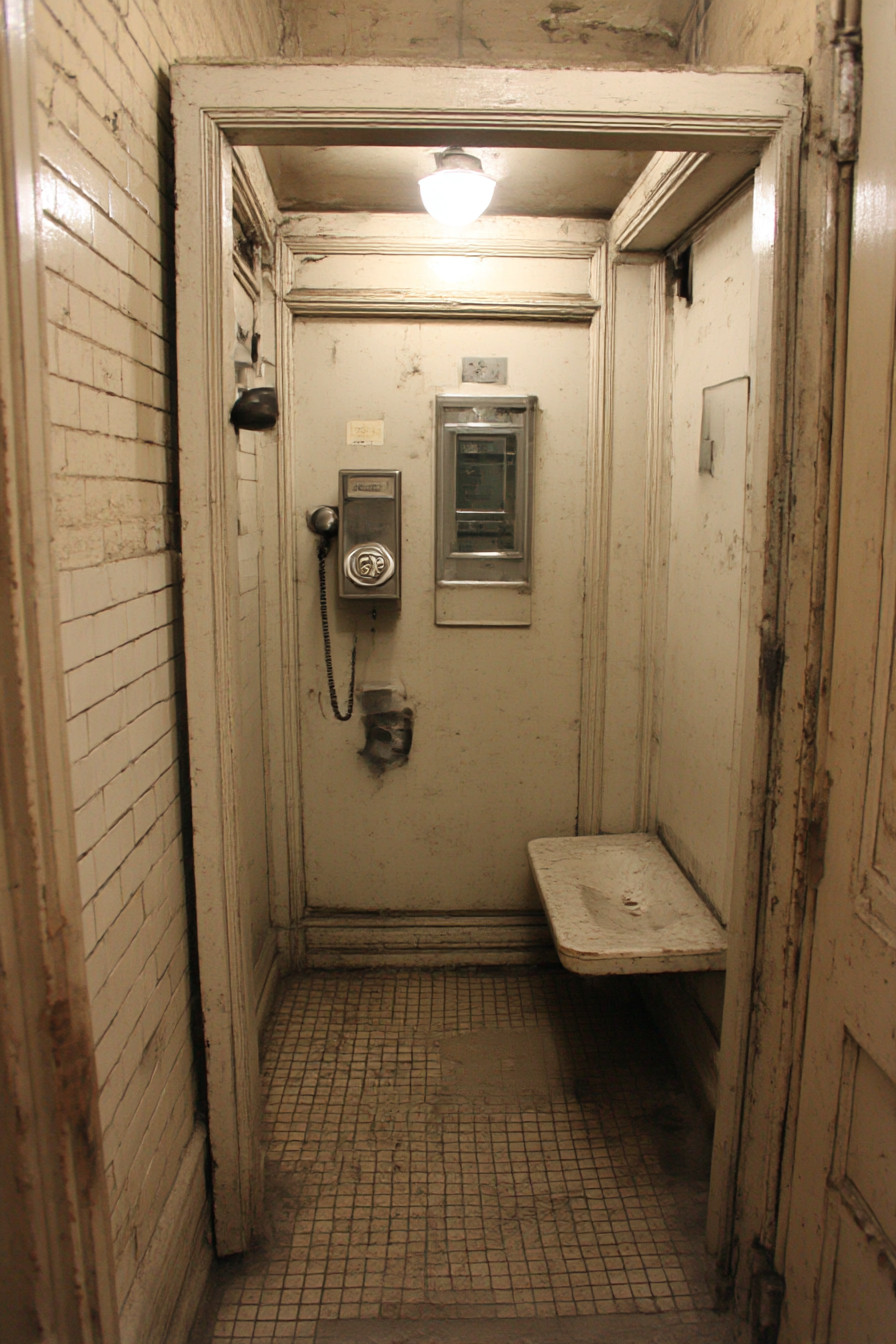
It’s very humbling when you’re standing in a “half-bathroom” which is officially referred to as a “powder room,” yet has all the ambiance of a toilet closet. I’ve experienced this exact feeling of being in such a tiny area when I visited my friend’s new home in Didsbury — I open the door expecting to enter a bathroom and find myself in a tiny space that has enough room for me to wash my hands, sit on the loo, and touch each side of the room with ease.
While I have dealt with many smaller areas over the years, I believe that there is something particularly harsh about attempting to design a full service bathroom which is only large enough to fit a toilet. There are some spaces that are so small that simply opening the door to enter the area will require you to dance through it carefully to avoid bumping into the toilet. And if there is a sink located near other fixtures, then hand-washing may resemble playing Twister.
However, after dealing with numerous poorly sized half baths, I discovered that you can create incredibly functional and wonderful half bathrooms if you learn to embrace the space you have, rather than try to fight it. The secret to accomplishing this is not to pretend that these tiny bathrooms are larger than they actually are; it’s to ensure that every fixture and piece of equipment earns their position in the space and does not compete with others for functionality.
My biggest mistake in designing half bathrooms, along with almost everyone else who designs these types of spaces? Using a traditional vanity unit. I did this myself on my first effort at designing a half bathroom — I attempted to force a 60 cm long cabinet into a space that required a maximum length of approximately 30 cm. This resulted in looking like a miniature dollhouse with adult-sized furniture. Today I begin the process by determining whether or not a corner sink can be used. A full service corner pedestal sink exists for this type of situation — yes, you sacrifice storage space, however, you also regain valuable floor space which greatly improves your ability to move within the confines of the space and results in feeling less confined.
If a corner sink cannot be installed due to plumbing restrictions, I opt for the smallest wall mounted sink available. Approximately two weeks ago I installed a tiny round vessel sink — approximately 40 cm in diameter — on top of a floating shelf that was only 20 cm deep. Crazy sounding, but that extremely cramped space now seemed somewhat tolerable. In essence, regaining visual floor space makes the user feel less confined in the space.
In terms of vertical storage in these types of spaces, the challenge is to determine how best to utilize the limited space above or below the sink or toilet. I have developed an obsession with the extremely thin cabinets that fit between the toilet and the wall — typically 15 cm wide and surprisingly deep. They are ideal for storing items such as loo paper rolls, cleaning supplies etc., as well as other miscellaneous bathroom items that require storage.
Above the toilet is another viable option for storage space. However, I made the hard lesson learned by discovering that shelves should be placed at least 30 cm above head level. Unfortunately, I have smacked my head against low hanging cabinets more time than I would like to admit — true cartoon character behavior.
Often, toilets themselves are oversized for the amount of space provided. Compact versions of standard toilets exist for this reason. In fact, I recently replaced a regular toilet with what they refer to as an elongated compact model (confusing name but ultimately more comfortable and takes up less room) and effectively added about 10 cm of walking space. Although this may seem insignificant when considering your own movements, every centimeter counts when moving through such a small space daily.
Lighting is perhaps one of the greatest contributing factors to how claustrophobic or cozy a small space can feel. First and foremost, I choose the brightest LED bulb that the fixture will support. However, in addition to brightness, placement of lights is equally important. If a mirror is present, be careful not to cast those unsightly shadows on users’ faces that make them appear as if they are part of a horror movie. Side lighting works well when installing overhead lighting is not feasible.
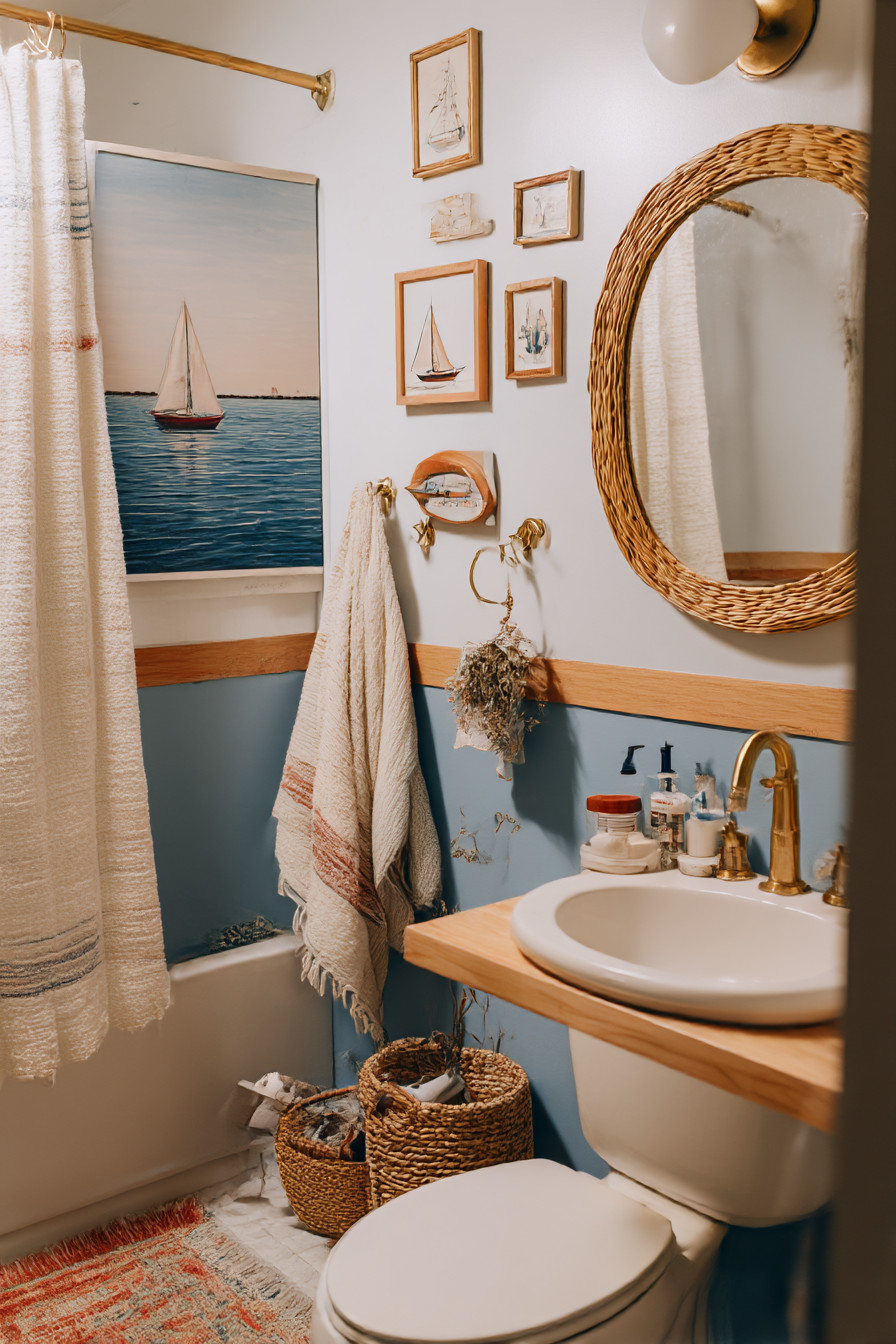
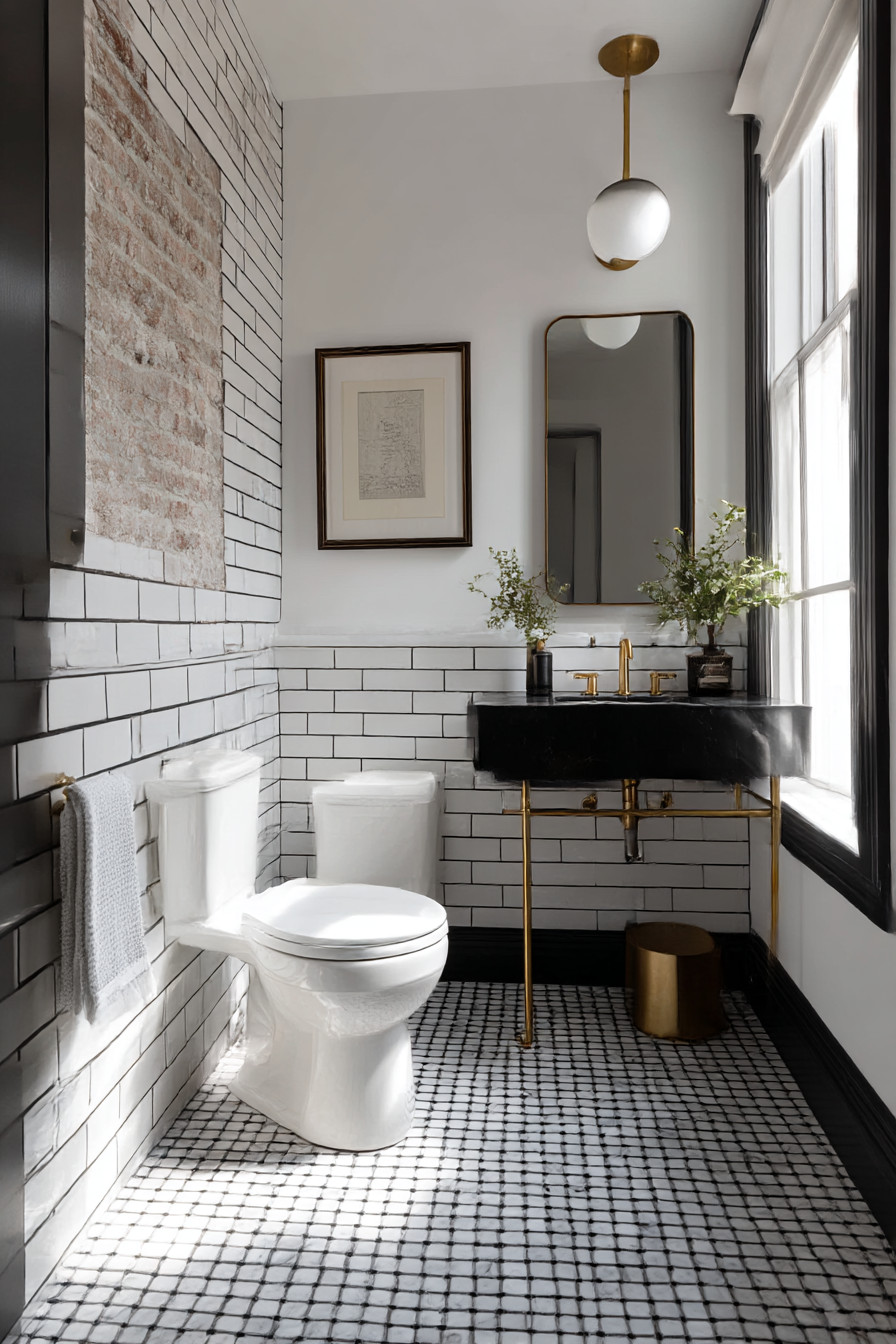
As expected, mirrors are always considered an essential component of small spaces. As such, most designers assume that large mirrors are necessary to “make the space appear larger”. While this may sometimes provide short term benefits, I truly believe that it can backfire in truly minuscule spaces. In contrast to the conventional approach of providing an enormous mirror to “create the illusion of additional space”, I tend to favor smaller mirrors with character — i.e. unique frames that serve as focal points rather than attempting to deceive visitors regarding the actual size of the room. For example, a round mirror with a brass frame provides interest and style without creating false expectations concerning the actual size of the space.
Due to the fact that you visually absorb every aspect of the interior surfaces within small spaces, color selection becomes amplified. Therefore, when selecting colors for small spaces, dark colors are not necessarily incorrect choices; painted one powder room dark blue and it created an intimate atmosphere rather than an oppressive one. However, if you select dark colors you will need brilliant lighting and possibly lighter floors to counteract your decision. Conversely, light colored selections provide reflective qualities, but do not feel pressured to apply magnolia solely based upon the size of your room.
One technique that I am becoming increasingly fond of utilizing is matching tile sizes for both floors and walls; creates a sense of flow and purposefully directed movement throughout the space which appears to make the space feel more deliberately intended. Used small hexagonal tiles in soft gray tones; ran them approximately three quarters up the walls; and achieved a finished product that appeared more akin to a jewelry box than converted toilet closet. For some unknown reason, when you maintain consistency in design elements such as tiling, it diminishes your focus on how small the space is and helps create peace-of-mind.
Moisture accumulation becomes a significant concern when there is literally no place for excess moisture to escape. Tiny spaces can quickly produce serious mold issues unless proper ventilation measures are taken. No windows exist (of course they don’t), therefore investing in an exhaust fan is crucial. Quiet fans are obviously more costly than non-quiet options; however, they are worthwhile — using a small bathroom should never feel similar to sitting inside an airplane lavatory.
Creative solutions are frequently required when addressing doors in small spaces. Typically standard doors swing inwardly and consume roughly half of your total floor space. Sliding doors or pocket doors can be great alternatives to traditional swinging doors. Pocket doors may be difficult to install retroactively, and barn doors may not be desired by everyone; however, in extremely small spaces they can dramatically improve functionality.
The largest lesson I have learned from these difficult-to-design small spaces? Stop apologizing for what these spaces represent. Accept that they are small. Incorporate bold wallpaper with distinct patterns or colors. Select distinctive light fittings. Paint ceilings unusual colors. Once you quit trying to hide what these spaces are and instead commit to making them the best representation of themselves possible — something changes. Guests stop complaining about the lack of space and begin complimenting on how “personally expressive” they appear.
Perhaps the most successful tiny powder room I have ever worked on was approximately 1.7 square meters. Ridiculously small — right? But it included beautiful William Morris wallpaper, antique brass faucet handles, and perfectly proportioned pedestal sink. People actually remembered this room — not because they were impressed with how spacious it was; but because every detail felt meticulously thought-out.