Right, so at 6AM today, I am padding barefoot to the bathroom, and I notice how warm my feet feel on the floor. That’s a strange thing to pay attention to. However, it has taken me three bathroom renovations and many costly errors to achieve a bathroom floor that truly works; that is, it does not just sit there being aesthetically pleasing for approximately five minutes when the bathroom is clean.
My first apartment had what could only be described as fake wooden laminate that somebody had selected based solely on how it appeared in the catalog. Stepping on it was similar to stepping on a slightly damp magazine — cold, unpleasant, and it had this odd texture that caused you to desire to immediately place socks on. Every morning became this absurd dance where I would jump from the doormat to the bathmat in order to minimize the amount of time I would spend on the actual floor.
This experience taught me a lesson; that is, that bathroom flooring has nothing to do with producing Instagram moments — it is about functioning in a world filled with water vapor, soap suds, the occasional toilet overflow (as most of us will attest to), and the chaos associated with attempting to prepare for work while being partially awake and dripping wet.
Since then, I have successfully renovated three small bathroom floors — mine, my sister’s rental nightmare, and a friend’s Victorian-era house where the original tile had begun to peel away at the corners such as peeling wallpaper. With each renovation, I have gained a little wiser knowledge regarding what endures in the face of reality versus what simply photographs well.
There are limited options available when selecting flooring for small bathrooms; specifically, there is very little room for hiding your mistakes. A large vanity may provide you with some camouflage for poor flooring. Plants placed strategically near the sink area may also mask problems with flooring. Nevertheless, whatever option you select will be subject to the full force of the shower spray, toothpaste spills, etc., and that enigmatic moisture that forms on every surface after someone uses the hot tub.
Ceramic and porcelain tiles continue to represent my preferred choice despite knowing that they seem dull. Here is why; last month I spilled an entire bottle of purple hair dye (expensive stuff) throughout my bathroom. This purple substance flowed like a lavender crime scene throughout my bathroom. However, it merely washed off with warm water and a cloth. No stains were left behind nor did I have to frantically scrub to remove said stains. No perpetual reminders of my clumsiness stared back at me every morning.
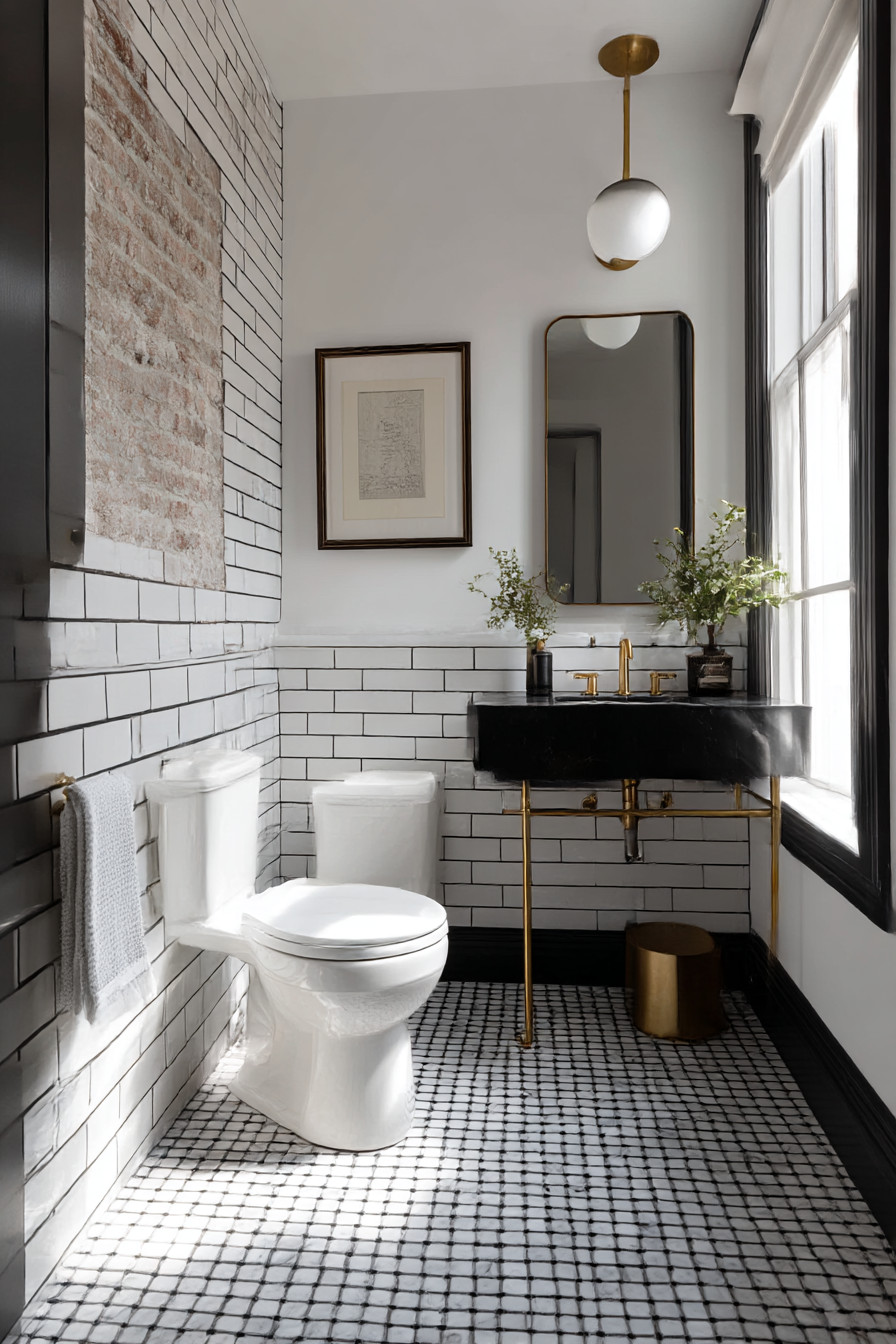
Smaller tiles have improved traction greatly. While mosaics appear fiddly when designing them, they are virtually non-slip by virtue of their numerous grout lines providing natural texture to assist when stepping out of the shower onto wet feet.
I learned about grout the hard way; however. My initial application utilized standard white cement-based grout since, logically speaking, a white bathroom requires white grout. After approximately six weeks, it resembled grey grime regardless of the amount of bleach applied. Cement-based grouts are essentially sponges for soap scum and other types of debris found within a typical bathroom environment.
While epoxy grout is more expensive than cement-based grout (approximately £15-20 additional cost per sq. meter), it remains white, resists water absorption, and does not require replacement every couple of years. Considering you typically view the grout lines constantly due to their location in small spaces, it is worth every single pound. I wish someone would have informed me of this prior to spending an entire weekend cleaning the grout lines with an old toothbrush.
Luxury Vinyl Plank Flooring (LVPF) caught me off guard. Based upon its name alone, I thought LVPF represented a type of flooring material similar to what you would discover in a hospital corridor. However, higher-quality waterproof LVPFs (not the low-cost products sold through discount retailers that curl at the edges) actually resemble natural materials fairly closely. For example, my friend has installed a style called Weathered Oak in her long thin En-suite and I literally have to run my hand along it to determine if it is manufactured or real wood. The texture is accurately replicated as well and feels warm beneath my feet making early morning trips to the bathroom considerably more enjoyable.
Additionally, installation is ridiculously simple. It is essentially a puzzle that snaps together and you can cut it using a craft knife. Tile cutters, grout mixers, and curing times are eliminated entirely. She completed the entire floor of her bathroom in one weekend including tearing out the old linoleum and addressing issues related to a sub-floor that was far from perfectly level.
In terms of small bathrooms, natural stone becomes unnecessarily complicated. Don’t misunderstand me — I adore slate and limestone. They possess a spa-like quality and there is something very appealing about the varied textures and colors found in natural stone. However, natural stone needs to be sealed (and re-sealed) periodically and small bathrooms rarely afford any margin for error.
I committed this same mistake in my second flat utilizing these beautiful limestone tiles that were aesthetically pleasing for approximately three months. Afterward they began displaying every water mark, soap deposit, and unknown stain that inevitably occurs in bathrooms. Essentially, maintaining them became akin to having a part-time job. Every weekend I’m armed with specialized cleaning solutions for stone and sealants attempting to maintain them in somewhat acceptable condition.
If you are absolutely determined to use natural stone (which I understand, as the aesthetic is incredible) — consider using high density stones such as granite or properly sealed marble. However, factor-in professional sealing annually or bi-annually as well as accepting that they will eventually develop “character” over time. On occasion character can be visually appealing in a quaint manner — occasionally it can be maddening.
Modern Rubber Flooring seems utterly industrial; however, contemporary rubber flooring designs have evolved. Specifically designed textured rubber tiles that mimic the appearance of leather exist and are waterproof, warm under foot, and nearly indestructible. Ideal if you have children who utilize bath time as a form of aquatic theme park activity.
Regardless of your selection — consider transitioning areas between rooms. Since small bathrooms often abut either hallways or bedroom areas with differing flooring surfaces — transitional areas between rooms can become rather unappealing if not pre-planned. Transitional strips can help improve appearances; however, ensuring transition heights between adjacent flooring surfaces improves overall aesthetics.
Something that I consistently recommend — purchase actual samples prior to purchasing flooring materials. Not those minuscule color chips provided by retail outlets in lieu of samples — actual samples of flooring materials that you can bring home and evaluate under your existing bathroom lighting conditions. Bathroom lighting tends to be particularly unusual — what appears warm and inviting in a tile display room may appear cold and sterile under your LED downlighting at 7 AM on a Tuesday.
Cost-wise — expect approximately £20-40 per square meter for decent ceramic tiles, £15-35 per square meter for Luxury Vinyl Plank Flooring, and £50-£100+ per square meter for natural stone. Additionally — expect installation prices ranging from approximately £15-25 per square meter depending on whether you elect to perform installation yourself or hire a contractor. Because small bathrooms tend to be relatively inexpensive to renovate — generally requiring minimal amounts of flooring material — my 2×2-meter bathroom required approximately 6 square meters of flooring product accounting for waste.
Ultimately — my conclusion has been that the ideal bathroom floor is one that you never have to concern yourself with. Ideally it should be able to withstand excessive amounts of water without becoming problematic; ideally it should clean quickly and easily; ideally it should feel comfortable beneath your feet; and ideally it should remain attractive in five years’ time once the latest trend has passed. Everything else — including the precise hue, texture, whether or not it complements your Pinterest aesthetic — pales in comparison to practicality.
Trust me — no flooring appears impressive when it fails regardless of its price-point or trendiness during the time it was initially installed. Additionally — no one will likely be impressed by your creative design decisions if they are distracted from observing said decisions due to slipping on your stylish yet impractical flooring.