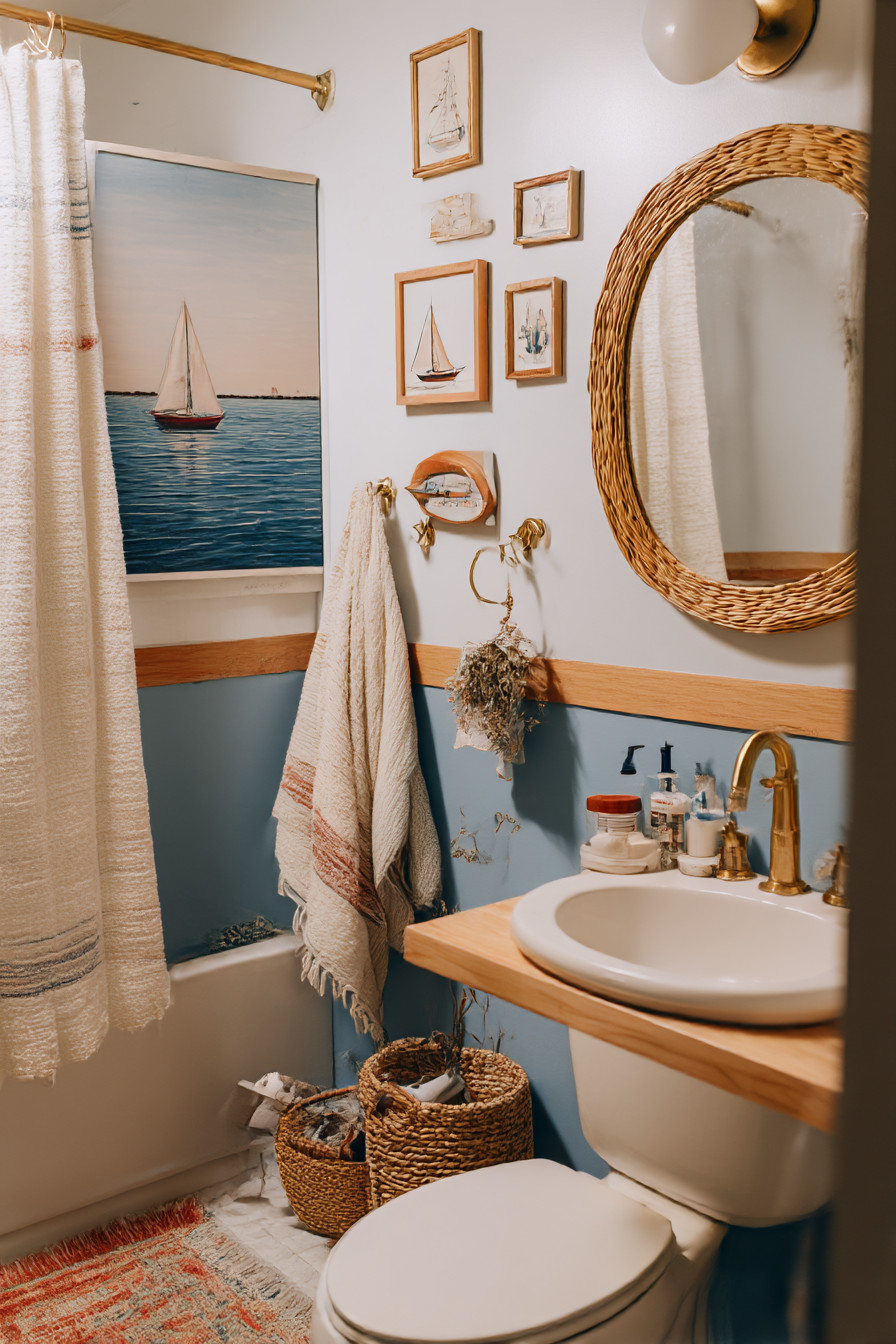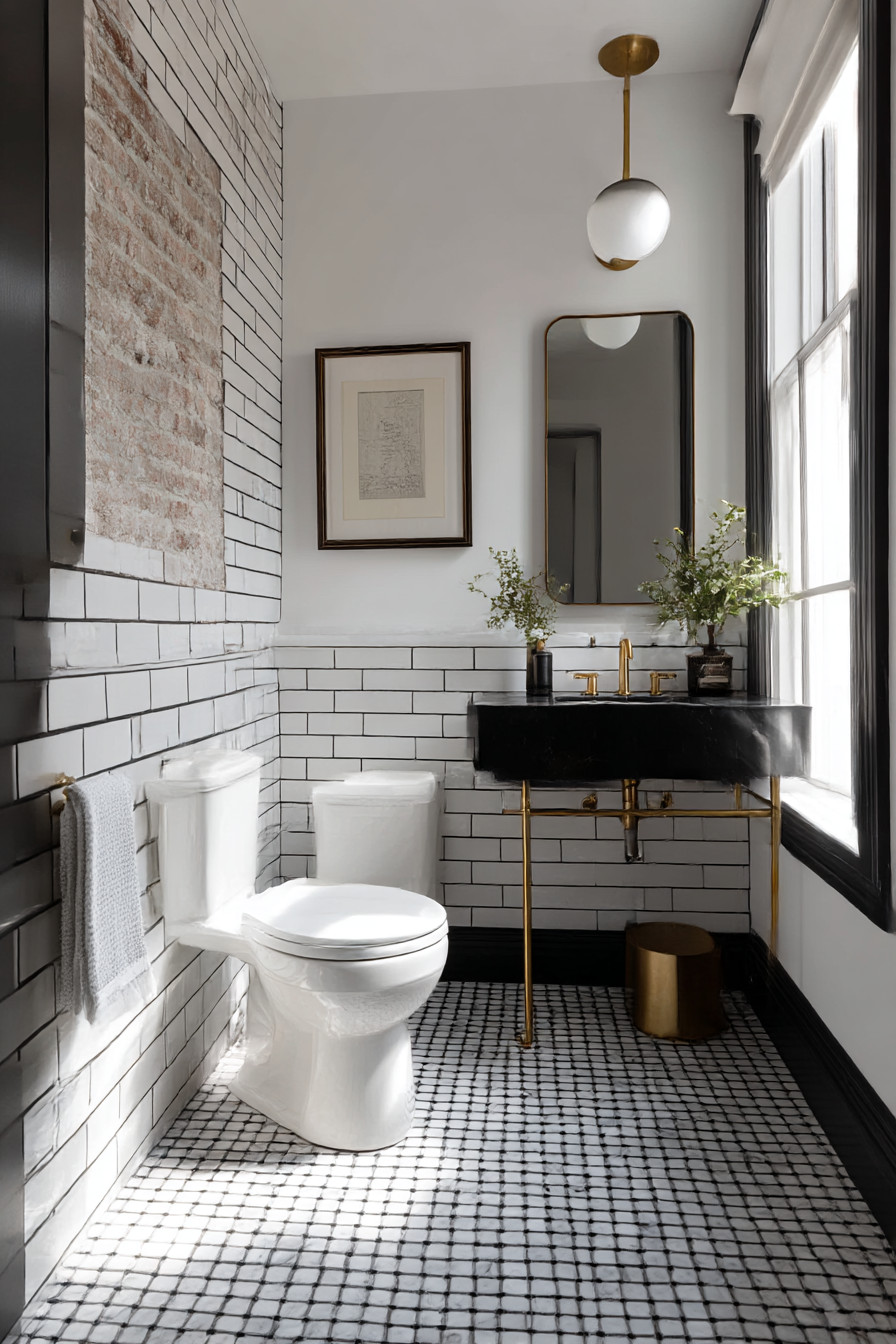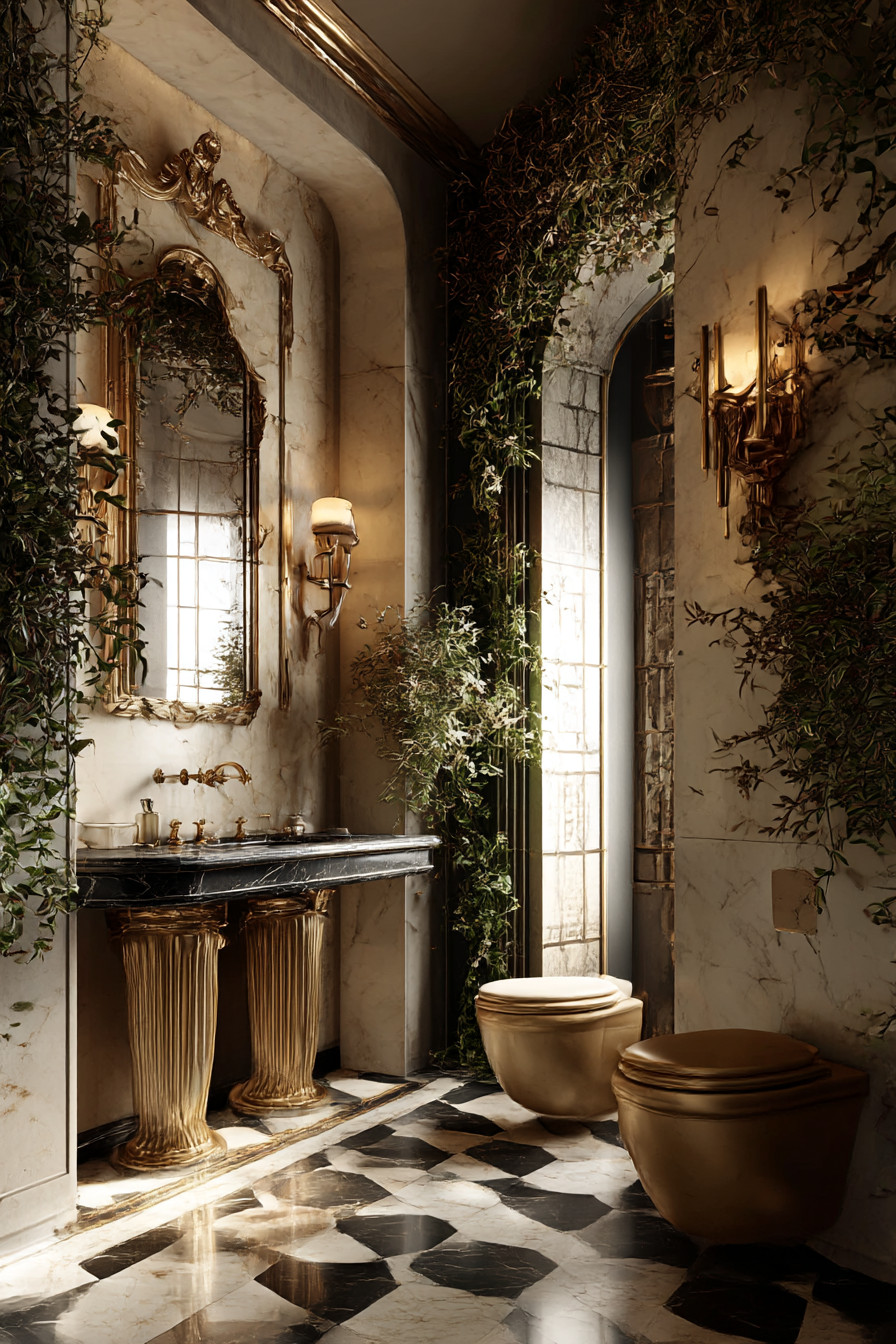
Have you ever gone into a bathroom and immediately felt comfortable in it? Even if it looks nothing like what you would design for yourself. I had that feeling just last month in my friend’s Victorian-era terrace — she has dark wood and brass fixtures and the whole space is the complete opposite of my typical white and chrome. However, I still loved it. That realization helped me to identify an intangible bond that ties all of the best bathroom designs together. Regardless of if you prefer a farmhouse sink or a floating vanity.
After renovating six different bathrooms (and completing one disastrous renovation using lime green subway tiles that still haunt me today) I am now seeing patterns of good design everywhere. The bathrooms that inspire the wow moment (where people exclaim “this feels right”) are rarely the ones that stay with one specific style consistently — they are the ones that create great fundamentals while maintaining their own unique personality.
For example, let’s talk about proportions. I know it sounds boring, but bear with me. I once placed a standard 60-inch vanity in a narrow powder room simply because it was on sale and fit. It fit. But it dominated the space like a bathroom dictator. You were unable to open the door properly; unable to turn around without hitting the vanity. And strangely, the mirror appeared smaller than it was. Which is funny because the mirror itself was perfectly fine. Proportion matters above almost any other aspect of style, and proportion helps distinguish between spaces that flow well and spaces that fight you every morning.
The triangle concept applies similarly to your sink, toilet, and shower. No matter if you are looking to create a sleek minimalist look or a cozy cottage feel, you want to be able to walk between these three elements without performing some sort of bathroom ballet. I learned this the hard way in my rental apartment. The previous owner of the rental had installed the toilet paper roll directly behind the toilet. So every single time you reached for it, you’d knock your elbow off the wall. Style doesn’t matter when you’re yelling profanities every morning while trying to perform basic human functions.
Storage is one of those universal truths that crosses all aesthetic lines. No matter if you choose to do industrial concrete or a distressed finish on a piece of wood, you need to have places for items. The real items. The ones that collect dust and show up in pictures. Not just the decorative bottles and containers that look nice in magazines. But the collection of half empty shampoo bottles, extra toilet paper rolls, cleaning products, and that one pumice stone you purchased once and never threw away.
I’ve seen beautiful bathrooms fail miserably because someone chose aesthetics over functionality. So they end up having cluttered surfaces full of toiletries. Conversely, I’ve seen very plain spaces appear luxurious simply due to having designated areas for each item. Having built-in niches in a shower wall works no matter if you are using classic subway tile or bold geometric patterns. A tall cabinet next to the vanity performs the same purpose whether it is navy blue paint or the natural oak finish.
Lighting took me longer than expected to understand. No matter how beautiful your fixtures are, if they’re creating unflattering shadows on your face while you’re applying mascara, you will despise your bathroom every morning. I wasted a lot of money on a beautiful pendant light for my first bathroom renovation. It looked fantastic and made me feel elegant every time I entered the bathroom. Then, I tried to wax my eyebrows one evening. As I began to apply the wax, I realized I couldn’t see anything. I had to install under-cabinet lighting after the fact. This ruined my original perfect aesthetic view, but at least I could see what I was doing.
Regardless of the style, natural light makes a huge difference. A small window can give a traditional bathroom an airy feel, and a modern bathroom a cozy feel. When you don’t have windows (curses, internal bathrooms), the layering of artificial lighting becomes important. General overhead lighting, task lighting near the mirror, and soft lighting for bath times. All of the principles remain the same, whether you install old vintage sconces or new LED strips.
When it comes to materials, that is where your personal style can really shine. However, durability cuts across all aesthetic boundaries. I fell in love with beautiful but highly absorbent natural stone. Looked amazing in the showroom, and all the various colors and textures were stunning. But after six months, every water spot showed up like a beacon. And, I don’t want to even begin to tell you what happened when someone spilled red wine during a dinner party. Today, I always ask myself: “Will this look good when it is wet? Will it look good when there is soap scum on it? After my nephew visits with his enthusiasm for splashing?”
All of the most effective bathrooms I have seen balance dreams with realities. They use durable materials that age well. Finishes that hide water spots. And layouts that allow people to move throughout the space effectively. A farmhouse bathroom may use different materials than a contemporary bathroom. Both bathrooms need surfaces that can be easily cleaned, and fixtures that don’t require constant upkeep.
The bulb color temperature, the height of towel bars, and the depth of your shower niche – all of these practical considerations are just as important as whether you choose to use brass or chrome hardware. I have come to realize that I should plan for the mundane things first. Then, layer in the personality-driven things that give a space a sense of intentional design rather than accidental assembly.
Bathrooms that are truly functional for their users are the ones where every decision contributes to both form and function. Where the beautiful tile also happens to be easy to clean. Where the large mirror is located in a location that makes sense for its intended use. Where the beautiful light fixture is providing adequate light. When a bathroom’s decisions are driven by function, style is timeless. That is when a bathroom moves beyond being attractive, and becomes genuinely livable.